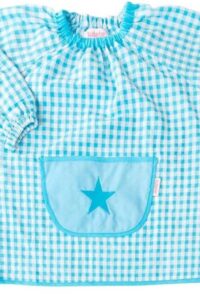
Cotton
Cotton is a natural fiber widely used in the textile industry. Its origins date back thousands of years and it is cultivated in various regions of the world.
Natural Fiber: Derived from the plant of the cotton, to be known as Gossypium.
Comfort: It is appreciated for its softness and breathability.
Absorption: It has a high capacity for water absorption, which makes it ideal for clothing.
Farming
Region: Grown in tropical and subtropical climates, the highlight to other countries, including China, India, and the United States of america.
The process: Cultivation involves steps such as planting, harvesting, and processing of the fibers.
In The Textile Industry
Usage: The cotton used in the manufacture of clothing, towels, linens, and other textile products.
Sustainability: There is a growing interest in the practices of farming is sustainable, with the aim of reducing the impact on the environment.
Cotton is a fiber, essential in the textile industry, offering both comfort and versatility. In the search for sustainable methods of cultivation, it is crucial to ensure the continuity of your production in the future.
Polyester
Polyester is a synthetic fibre widely used in the textile industry, and also in a number of applications. Its popularity is due to its unique features, and versatility.
Durability: Polyester is resistant to wear and tear, and has a long service life.
Water resistance: The fiber is naturally water repellent, which makes it ideal for clothing and textiles, exposed to wet environments.
Ease of maintenance: Polyester is easy to wash and dries very quickly, and require less care compared to natural materials.
Stability: It keeps it's shape and color for a long time, even after multiple washes.
Applications
The fashion industry: Use it in clothes, accessories and shoes.
Interior design: Now in upholstery, curtains and soft furnishings.
Technical textiles: Used in industrial applications, such as brake linings and protective materials.
For the polyester, it represents a cost effective solution for a variety of needs in the field of textiles. With its superior properties, it continues to be a popular choice among the consumer and the manufacturer.
Oxford
The Oxford fabric is widely acknowledged for its unique features and versatility. This material is often used in the making of garments and fashion items.
The characteristics of the Fabric in Oxford
Composition: Oxford is usually made from cotton, but can also include polyester or other fibers.
Texture: It features a smooth texture and the finish mildly glowing.
Durability: It is well-known for its strength and durability, making it ideal for everyday use.
Applications
Mode: Commonly used on t-shirts, blouses, and dresses.
Upholstery: It is also used in upholstery, and interior decorating.
Uniform: Often chosen to be uniform due to her professional look and feel, and comfort.
The Oxford fabric is a popular choice in a variety of industries, and stands out for its elegance and functionality. That is, a material that combines style and strength, meeting the different needs of the market, fashion, and more.
Flannel
The flannel fabric is widely used in clothing, and interior design. It is well-known for its softness and ability to bring the heat.
Features
Composition: It usually made from cotton or a mix of man-made fibres.
Texture: It features a soft and silky.
Weight: Usually, it is a material and density of a medium to heavy.
Applications
Dress code: Commonly used on t-shirts, pajamas and clothes for the winter.
Decoration: Used in the manufacture of blankets, the curtains, and upholstery.
Maintenance
Wash: It is recommended to wash in cold water, avoid bleaching.
- Drying: The ideal blow-dry in the shade to preserve the color and the texture.
The flannel is a versatile fabric that combines comfort and function, and is a popular choice in a variety of contexts-of-use.